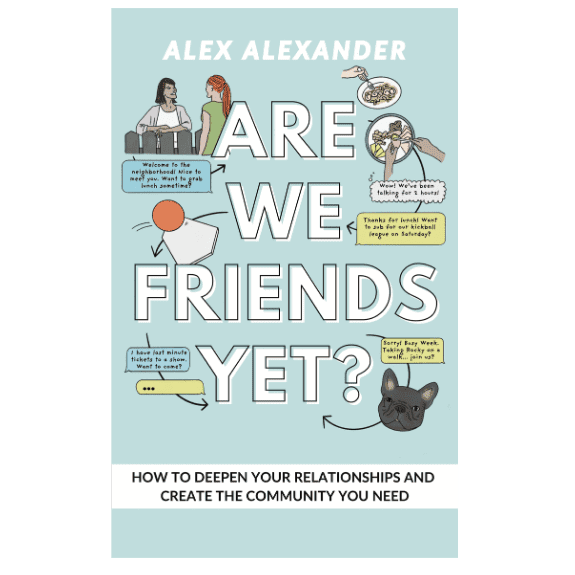
A year ago, I went for a walk with a friend who was about my parents’ age. I shared how I wished my parents and in-laws would find other people to talk to besides just me… not because I don’t love them, but because I genuinely believe it would make them happier AND take some pressure off our relationship.
At the end of our walk, my friend looked at me and said something that stopped me in my tracks: “You know, I realized that some of the things you said today, my children have said to me. But it was a lot easier to hear it from you. When I hear it from you, I don’t feel like a bad parent.”
That conversation sparked something for me. Because here’s what I’m seeing everywhere…
The Missing Piece in Family Tension Conversations
We’re having all these discussions about boundaries, estrangement, and difficult family dynamics. Therapists, content creators, and families themselves are diving deep into communication strategies and boundary-setting techniques. But I think we’re missing a huge factor that’s quietly driving a lot of this tension.
The factor nobody’s talking about? Social wellness gaps between generations.
Here’s the reality: Boomer and Gen X generations were told by society that focusing on careers and families would bring fulfillment. Period. Social wellness – friendships, hobbies, community connections outside of work and family – wasn’t presented as a marker of success or even a priority.
And now? Many older adults don’t have robust social support networks. Which means a lot of their social wellness needs are falling on their adult children and grandchildren.
That’s… a lot of pressure.
Why This Matters More Than We Realize
When I talk to millennials about friendship and community, I hear the same thing over and over: “I never saw my parents have friends.” They tell me their families hung out with extended family, maybe attended religious services, but close friendships? Adult social connections? They didn’t see it modeled.
This creates what I call the sandwich generation pressure. Millennials are trying to:
- ▪️ Build their own social wellness networks (something many never learned how to do)
- ▪️ Manage their parents’ unmet social needs
- ▪️ Model healthy friendships for their own children
All while navigating careers, partnerships, and everything else life throws at you.
Recently, I had a conversation with Janelle, a content creator who focuses on challenging in-law relationships, and she put this perfectly: when you don’t have social wellness in your life, “you’re not getting that real-time feedback from friends who aren’t family members… people who can offer a true devil’s advocate perspective.”
In our full conversation, Janelle shares how her own mother’s diverse friend group – including friends made in the last 10-15 years who don’t know Janelle from childhood – provides completely different feedback than longtime family friends would. It’s perspective that actually helps navigate family relationships better.
The Skills We Never Learned
Here’s something that hit me during our conversation: taking a work friendship or casual acquaintance and developing it into a deeper connection requires specific skills. You have to take risks, initiate plans outside your comfort zone, create consistency, and build what I call “roots” – multiple connection points beyond just one shared experience.
Western culture as a whole isn’t doing this particularly well. So when someone retires and suddenly loses those daily work interactions, if they never learned how to deepen those relationships beyond the office, they’re left with very little.
Janelle shared this insight that really stuck with me: “I think that same skill set that they’re lacking is the reason why there’s so much tension in these expected friendships that are supposed to just appear out of nowhere with their adult children.”
Think about it – if you’ve never learned how to navigate the organic development of peer relationships, how do you suddenly build an adult friendship with your grown child? Especially when that relationship needs to evolve from the parent-child dynamic you’ve known for decades.
What This Looks Like in Real Life
Let me paint you a picture. Your parent calls you every time they need help with something – not because you’re necessarily the best person for the job, but because you’re the easy ask. They don’t have a robust network of peers to turn to for advice about retirement, health concerns, or even just someone to vent to about daily frustrations.
Or maybe family gatherings feel draining because your parent arrives with nothing to share about their own life, so they either spend the entire time talking about you and your choices (often critically) or sharing irrelevant stories from decades ago because they don’t have current experiences to draw from.
Janelle told me about a breakthrough moment with her own mother around holiday expectations. Her mom kept pressuring her to bring an elaborate dish to family dinner, even though Janelle was the only one attending with small children. Finally, Janelle said: “Mom, I’m the only one bringing dependents. Could we implement a new rule?”
Her mother immediately got it: “Oh wait, this isn’t about me. You’re right.”
They created a new family rule: if your family includes a child who can’t walk themselves to the door, you don’t have to bring anything except your family.
The complete episode dives much deeper into how these conversations can actually happen – and how having diverse social connections helps parents get perspective from friends who can say “let that thought stay right there, because it’s not going to serve you” instead of just validating every frustration.
The Friend Factor
Here’s what really struck me about Janelle’s perspective on building better relationships: “Have people in your life who love you enough to tell you things you don’t want to hear. People who are effective listeners who let you say what you want to say, and then give you a call the next day and say, ‘You seem really upset about that. I don’t know that that’s a productive thought for you moving forward.’”
When you have friends like this, you’re less likely to get stuck in unproductive thought patterns about family relationships. You have people who can help you see the bigger picture, who can ask “What do you actually want to happen here?” instead of just agreeing that your adult child is being difficult.
But when your social circle is tiny – or when it consists mainly of people who’ve known your children since they were little – you’re not getting that neutral, helpful perspective.
What Each Generation Can Do
For older adults: This isn’t about becoming a completely different person overnight. It’s about recognizing that building connections outside of family isn’t selfish – it’s actually a gift to your family relationships. Start small:
- ▪️ Join one activity where you’ll see the same people regularly
- ▪️ Practice taking work friendships or casual acquaintances one step deeper
- ▪️ Ask yourself: “Who could I call for help with this besides my kids?”
For adult children: This is hard to navigate, but understanding this factor can help you approach family tension differently. Instead of just setting boundaries (though those are important too), you might also say: “I love spending time with you, AND I think you’d really enjoy having more people in your life to share interests with.”
For everyone: Let’s start talking about this. Social wellness isn’t a luxury – it’s foundational to our mental health and our relationships.
The Bigger Picture
Look, social wellness gaps aren’t the only factor in family tension. There are issues of respect, communication styles, generational trauma, and so much more. But I think this piece has been missing from our conversations, and it might be affecting more families than we realize.
I share so much more in the full episode about what it means to live between generations – trying to build what you need while also supporting family members who might not have built what they need. There’s something powerful about hearing Janelle’s complete perspective that I think will shift how you see the relationships around you.
The goal here isn’t to blame anyone. Different generations were given different messages about what constituted a successful, fulfilling life. But now that we can see this pattern, we can do something about it.
Because here’s what I know for sure: when people have rich, diverse social connections, their family relationships get better. They’re less dependent on any one person for all their emotional needs. They get perspective. They have other sources of joy and support.
And that benefits everyone.
Reflection Question: Did you see friendship modeled by your parents or guardians growing up? How has this impacted your relationships today?
This conversation with Janelle goes so much deeper into the nuances of building adult relationships, navigating family expectations, and creating the support systems we actually need. Listen to the full episode of Friendship IRL wherever you get your podcasts, and let me know what resonated with you.